By Marta Wojcik, Westcott Executive Director & Curator
This article was written for Frank Lloyd Wright Building Conservancy and published in SaveWright magazine. Learn more about SaveWright here. 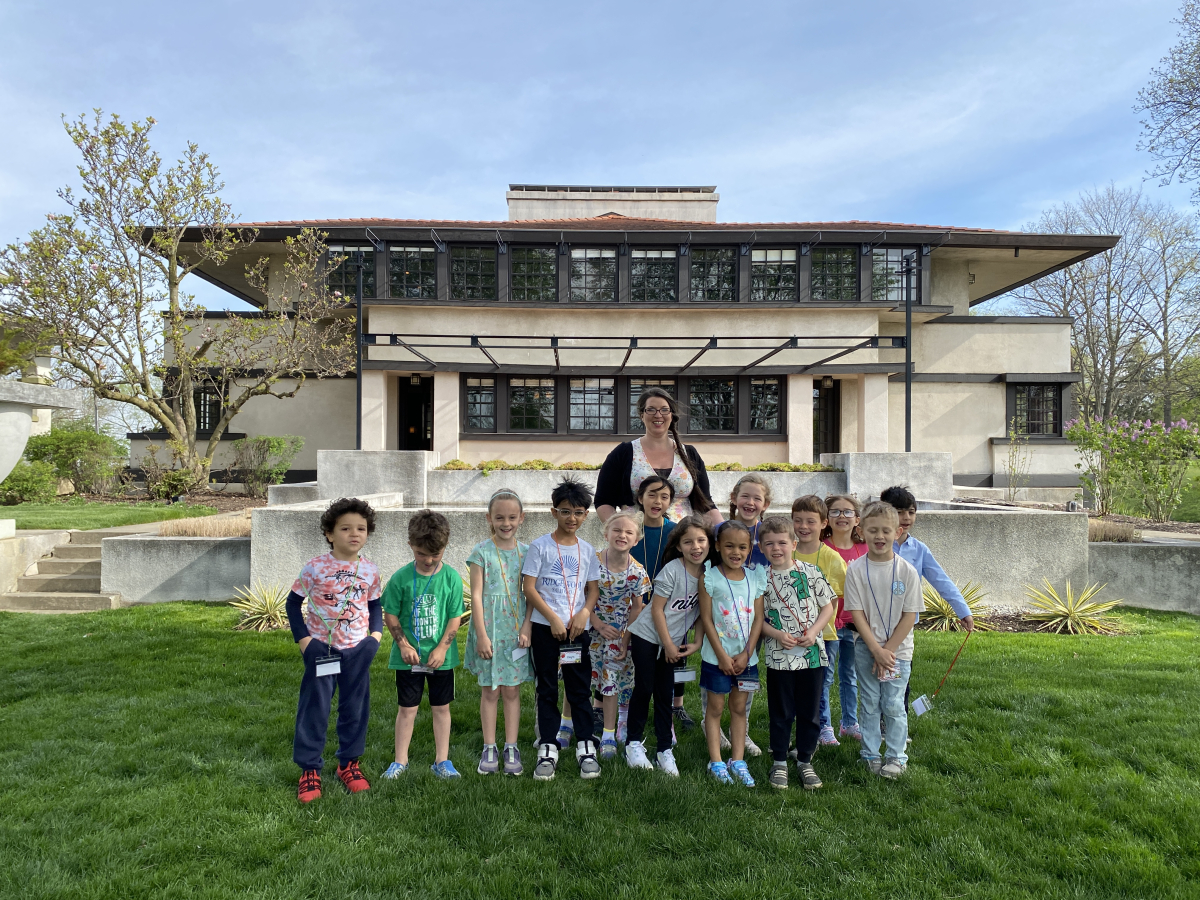
ACCESS A PUBLISHED PDF COPY HERE.
Frank Lloyd Wright public sites are a rare phenomenon. They can change one’s mind and even one’s life’s trajectory. No other architect has left behind a legacy that lives on through so many sites that welcome the public almost every day of the year. Thousands of eyes observing, noses smelling, ears listening, hands occasionally caught touching and feet moving through designs that form a diverse and yet cohesive tapestry reflecting one remarkable mind – an architect on a mission to prove to humankind that how we live truly matters.
Wright public sites that once were private homes are a unique tool to unlock what is otherwise quite impossible for most people to access and experience. A house that is a resource for all, keeping the doors open to any stranger who decides to stop by, is a powerful way to extend the legacy of Wright. It can make an impact that is otherwise simply not possible. It is similar to how we can access art through an art museum. For a brief visit, we feel that we, the people, own a Picasso or Monet, and we are welcome to come back and enjoy it for ourselves just the same way others do. But in a publicly accessible house that sense of collective ownership can leave us with a deeper mark than a visit to any art museum. There is something about contemplating a masterfully designed house that speaks to us on a more personal level.
Wright designed the Westcott House in 1906 for Burton and Orpha Westcott. Like the city of Springfield itself, the house faced major challenges in the second half of the twentieth century. It went from being a comfortable single-family residence to a multi-unit apartment house. In the late 1990s the house was in desperate condition when the Conservancy and local advocates banded together to save it. In 2000 the Conservancy took possession of the house to bridge ownership until the Westcott House Foundation was created and took over the restoration and stewardship of the house in 2001.
Bringing Westcott House Back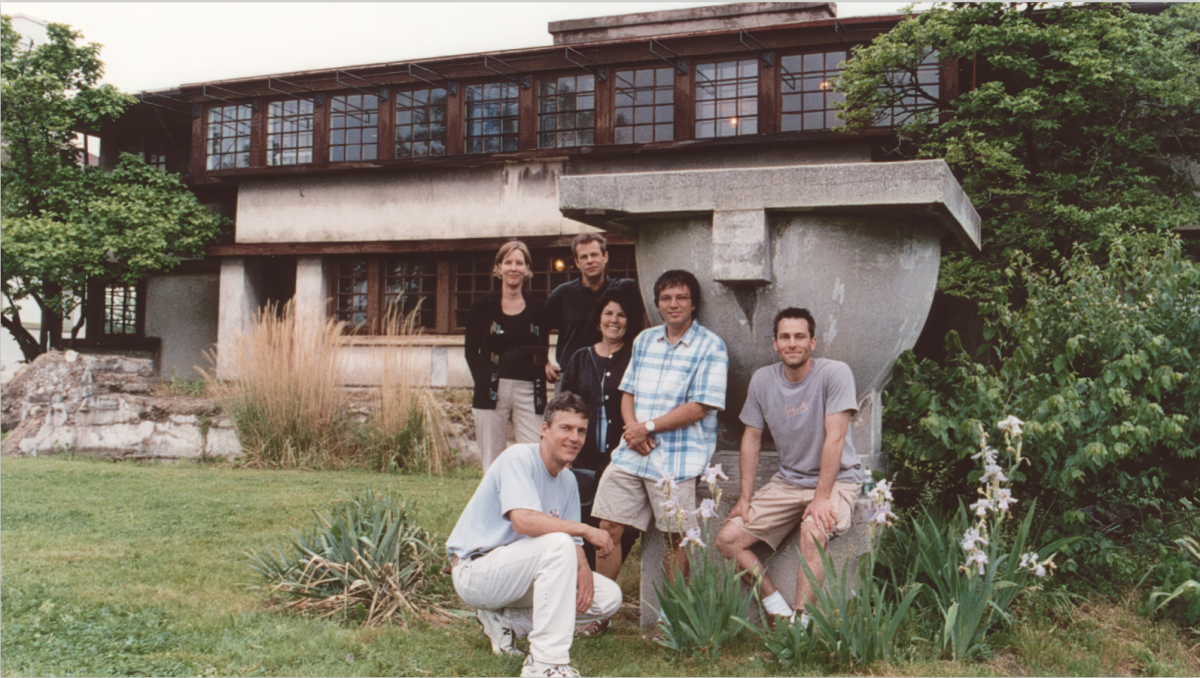
I try to recall the details of my initial visit to the Westcott House. John Zukowsky, the first director at Westcott, and my former boss and mentor from the Art Institute of Chicago, took me – the incoming Curator of Interpretation - on a tour one sunny Saint Patrick’s Day in 2005. The house’s restoration would be finished that October, and there was certainly still a lot to do, but to a naïve soul like me, who was new to this project, everything looked like smooth sailing. The house looked spectacular, even if it was still missing some important details, yet to return through the process of restoration or reproduction. Looking back, I think I experienced a complete overload, making my memory somewhat blurry. On one hand, I was absorbing the revelation of a house that felt more like an experiential design masterclass than a visit to a quaint historic house. On the other, I was completely overwhelmed with all the information thrown at me - the names of all the people involved, the important facts to be remembered, the work to be accomplished leading to the grand opening. I was given a gift that I have never taken for granted – an opportunity to partake in the active rediscovery of a place that was seemingly forgotten by the scholars and aficionados of Wright’s work. That gift has been precious and a heavy responsibility ever since.
One thing that really helped me to understand the magnitude of this project– and has helped thousands of visitors since - was a documentary produced by Kerry Rasikas and Lisa Mulry shown as part of each tour. It followed the restoration from beginning to end, capturing some of the most dramatic moments of this project. One of my favorite instances is the quote captured in an interview with Matt Cline, a local advocate instrumental in the effort to save the house, “this house is held together with some duct tape, bubble gum and a few prayers.” I have heard this thousands of times and it never gets old. And, as caught by the camera, pretty accurate! One of the video’s highlights was the dramatic re-installation of the restored skylight – an integral and splendid piece of the restoration puzzle. It sat in its original location collecting dust for several decades, even as the house lived through a half-century as an apartment complex. Kerry and Lisa captured the moment the restored pieces were returned – lifted and placed in their original spot by team members of the Durable Slate Company. The look on their faces said it all - they knew their lives were on the line! Without this video footage available to visitors, the Westcott story would be told without an important element that speaks to people on a deeply emotional level. It is one thing to hear that the place was structurally unsound, it’s another to see a video capturing the shell of a house that was once called by a 1908 newspaper, “the most unique residence in Springfield.”
Reframing the Westcott and Springfield Story
I have spoken to many of the Frank Lloyd Wright Building Conservancy’s board and staff members about the experience of saving the Westcott House. Its successful outcome was never a given. This type of situation is full of complexities, uncertainties and personalities. It requires loads of expertise and stubborn optimism. Since 1989, the Conservancy has advocated again and again for all the remaining Wright structures. However, there is an equally important resource in any advocacy effort - the local community. There have been so many passionate people in the Westcott story, such as Jim Davidson, who lived in one of the house’s apartments until 2001. Jim was an avid attendee of Frank Lloyd Wright Building Conservancy conferences and a one-of-a-kind docent after our grand opening. In addition, the stars aligned when a new family foundation, the Turner Foundation, was established in Springfield in 2001. John Landess, the executive director of the foundation, understood the value of the Westcott House not only as a cultural tourism asset but as a symbol of the community’s capacity for innovation and excellence. The initial several-million-dollar gift from the Turner Foundation set the trajectory for the Westcott House. 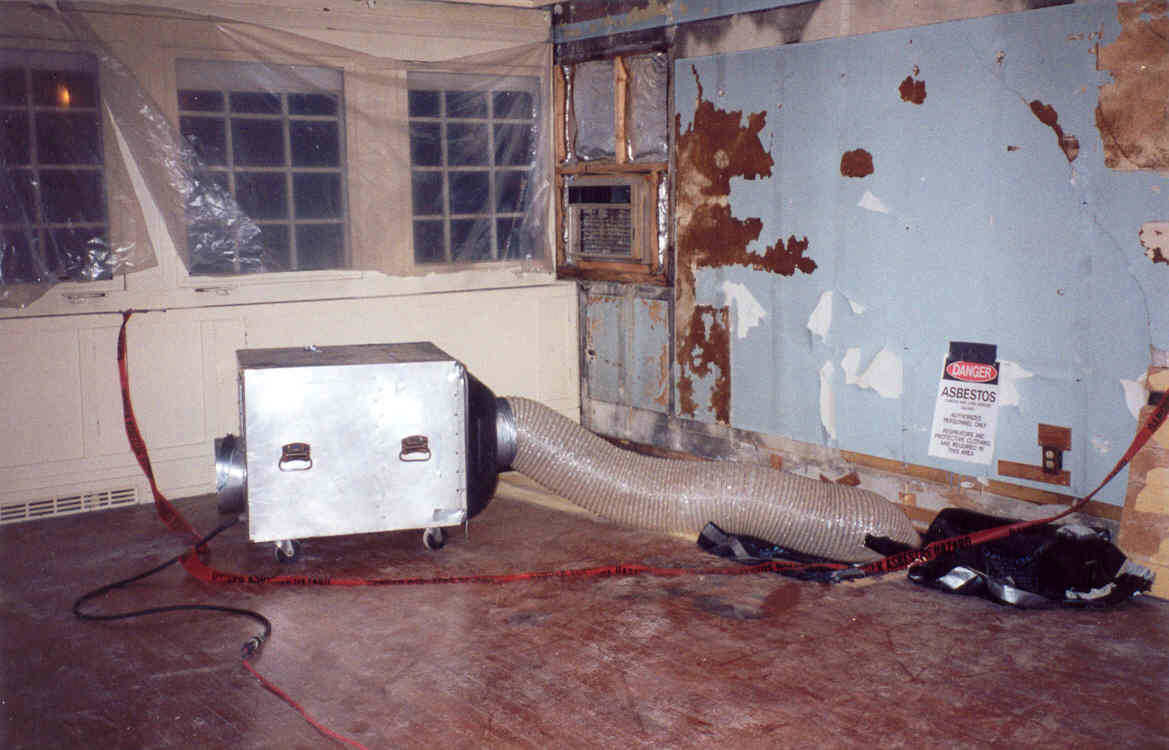
A few years after we opened, a local journalist wrote an article in which he referred to the Westcott House as a tourist trap. I got upset at first - mainly because we were already doing a lot of engagement work geared specifically toward local audiences. But as I thought about it more, I realized that what he meant as an insult, was actually a compliment. If you are perfectly honest with me, you probably would not identify Springfield as the place at the top of your travel bucket list. That’s because for years any landmark of cultural significance had been undermined by economic decline, population loss, and some truly poor decisions by real estate developers and the local government. Though during these years of urban decline Westcott House was in private hands, it was not immune to the larger shifts in the postwar society. In the second half of the twentieth century, many owners of larger houses were turning them into apartment buildings. The market for large homes had diminished, and a large Wright house in a post-industrial city was not exactly in great demand. Long gone were the entrepreneurs and inventors of the Progressive Era, whose brand-new city houses were a reflection of their bold dreams and great successes. Other neighborhoods in Springfield became more attractive and people with means had no desire to live in the area around Westcott House, which had once been called Millionaires Row. Many assets that today would be considered a cornerstone of local identity and tourism were slowly withering – and some were ultimately demolished.
In the last two decades our community has seen incredible efforts to reverse the decades-long trend of disinvestment, but we still have a lot of work to do to reframe the conversation about Springfield, and truly, about Ohio. Of all places, I found my archenemy in my native Poland last year, when a young Polish girl selling balloons asked where I live. When I told her Ohio she said, “oh no, Ohio is so lame!” Apparently, disparaging Ohio is a trend now, shared widely and mindlessly by the parrots on social media.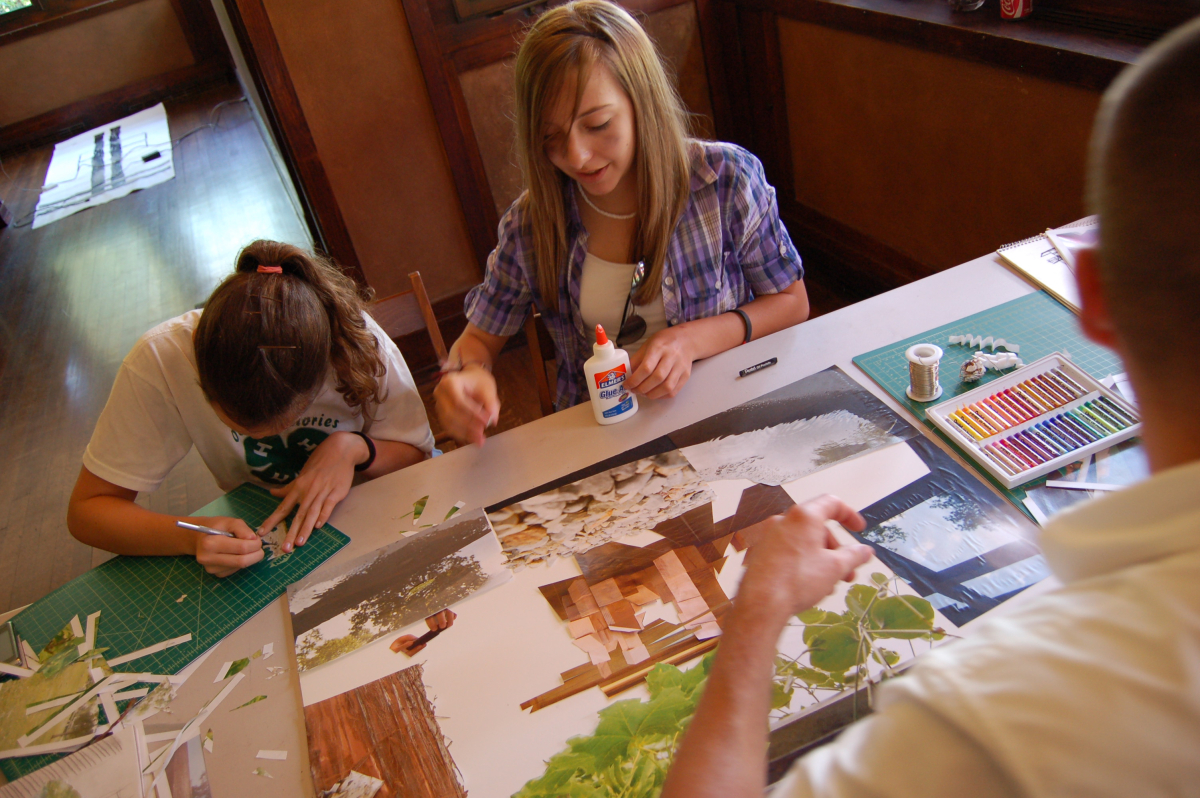
When Westcotts moved to Springfield in 1903, it was a place had the reputation of being a hotbed of invention, and a paragon of industrial prowess in the production of farm machinery. This led to abundant wealth, which in turn led to truly remarkable architecture. This architecture was not exclusively focused on the private demonstration of riches. For example, in 1890, farm implements manufacturer Benjamin Warder gifted to the people of Springfield its beautiful Richardsonian-Romanesque public library designed by H.H. Richardson’s successor firm Shepley Rutan and Coolidge. Many people with power and money consciously worked to improve the social cohesion and conditions for the working class. Burton and Orpha Westcott were among those who actively sought to address issues of inequality by establishing access to public parks, and to high quality nutrition and health through initiatives such as fresh air baby camps.
The Active Community Asset
It is this spirit of civic-minded entrepreneurship that continues to inspire us - the current caretakers of Frank Lloyd Wright’s Westcott House. I could claim that all the programs over the last 20 years have been thoughtfully planned and curated with an exact end-result in mind. Of course, the truth is much more colorful, if not outright messy. In 2006, we started experimenting with various ideas as a way of compensating for things we lacked – things that other Wright sites had. For a start, hardly anything original survived. In the period before furniture was reconstructed, we hosted events that were less restrictive than events at other properties. Our bedrooms were completely empty, which felt quite depressing, and so we used them as gallery spaces for temporary exhibitions of work by living artists.
Because were told that it is disappointing that the house was in Springfield, we doubled down on the interpretation of the larger community and the training of our guides on the remarkable history of our community. We did not have an educator on our staff, so we relied on area teachers and engaged artists who helped co-author some cutting-edge programs for young people such as our Multimedia Design Studio. And when the Ohio Arts Council’s Creative Economy grant was introduced, we got busy figuring out how our house museum could prove itself as a creative economy trailblazer and compete with the big dogs in cultural community.
Once you start experimenting, you gain more courage, and the possibilities seem endless. People started noticing our work, and appreciated its fresh approach. But being a field disr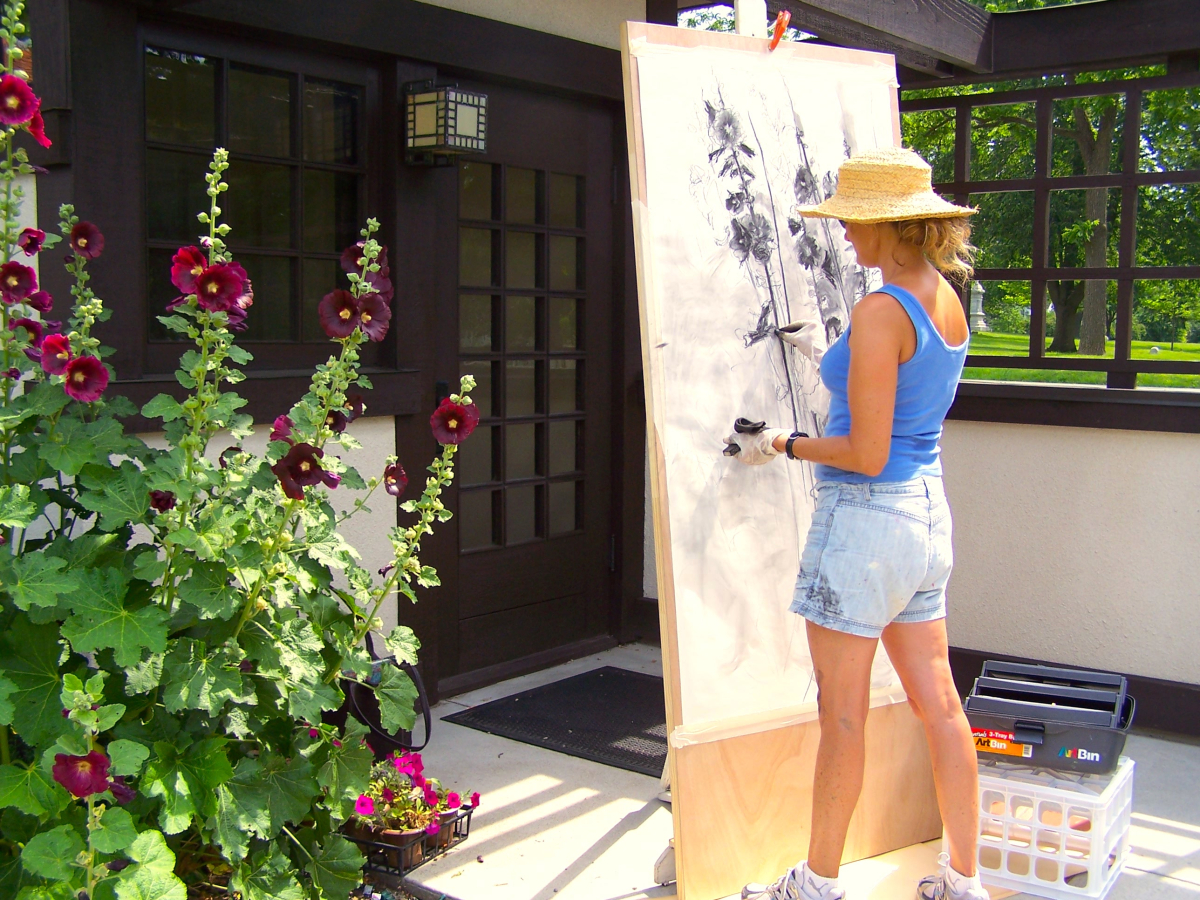 uptor was never our intention – rather, we yearned for relevance, mainly in our own community and region. While many Springfield residents couldn’t care less about how important Frank Lloyd Wright was, they do care about the special feeling they get when they walk through this house. On entering, they may not expect to like the architect or his work, but they often leave intrigued and eager to learn more. Our work outside our museum’s walls, from the Summer Tour Series and sponsoring large-scale murals in downtown Springfield, to PechaKucha nights at the local brewery, sparks curiosity and conversations about the larger world of art, architecture and design, and the human story behind them. Frank Lloyd Wright can fill our entire lives if we let him, but it is wonderful to give space to other architects, designers and artists, both dead and living. Historic house museums are perceived to have limited impact and a certain vibe that attracts a limited demographic. In this house museum, enliven by film screenings, talks, concerts, and parties, the dust has no chance to settle. And our presence and activism outside the house helps build community.
Twenty years ago, Springfield was given a unique chance to reverse the time: to follow the example of Wright & the Westcotts and pursue a bold vision for our lives and our community. We are so glad we took it. Westcott House has a way to go. There are still thousands of kids and adults that have yet to discover the beauty, inspiration and repose that this house offers. As a public site a Frank Lloyd Wright house is uniquely positioned to be a catalyst to bring the community together and increase local pride. Travelers who recognize its national significance give locals validation that they do indeed have something universally special. In Springfield that sense of pride and strong cultural identity is being awakened, and this house contributes to it in its own incredible way.
ABOUT THE AUTHOR Marta Wojcik has been involved with the Westcott House for over 20 years. Wojcik grew up in Krakow, Poland, and earned her Masters in Art History at Jagiellonian University. She is a 2021 recipient of the Wright Spirit Award for outstanding leadership as executive director & curator. Her interest in activating the house as a community-building asset led to establishing the Westcott Center for Architecture + Design, growing Springfield’s public art program, and, most recently, launching the Springfield 2051 community visioning process.